
Inside KV62: The Secrets of King Tutankhamun’s Tomb in the Valley of the Kings
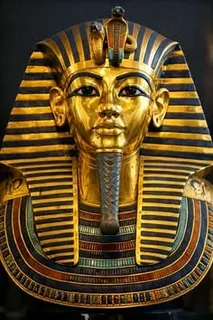
The Boy King and the Return of Amun To understand the treasures buried in KV62, you must first understand the religious revolution that defined his era. Born during the radical Amarna Period, Tutankhamun was originally named Tutankhaten—"the living image of Aten." His father, Akhenaten, had upended centuries of Egyptian polytheism by dismantling the priesthood and establishing Aten, the sun disk, as the sole deity. When the young ruler ascended the throne around the age of nine, he orchestrated a dramatic return to tradition: The Name Shift: He changed his royal name to Tutankhamun ("the living image of Amun"), publicly repudiating the Aten heresy. The Priesthood Restored: He restored the cult of Amun-Ra, re-establishing Thebes (modern-day Luxor) and Karnak Temple as the epicenters of religious life and state power. The Restoration Stela: He commissioned massive monuments to repair temples across Egypt that had fallen into neglect during his predecessor's reign. Because Tutankhamun died unexpectedly around age 18 or 19 in roughly 1324 BCE, royal artisans scrambled to assemble a worthy resting place. They repurposed an existing noble’s tomb instead of carving a sprawling royal gallery, unwittingly shielding it from grave robbers for over three millennia.
What Carter Found: Over 5,000 Treasures
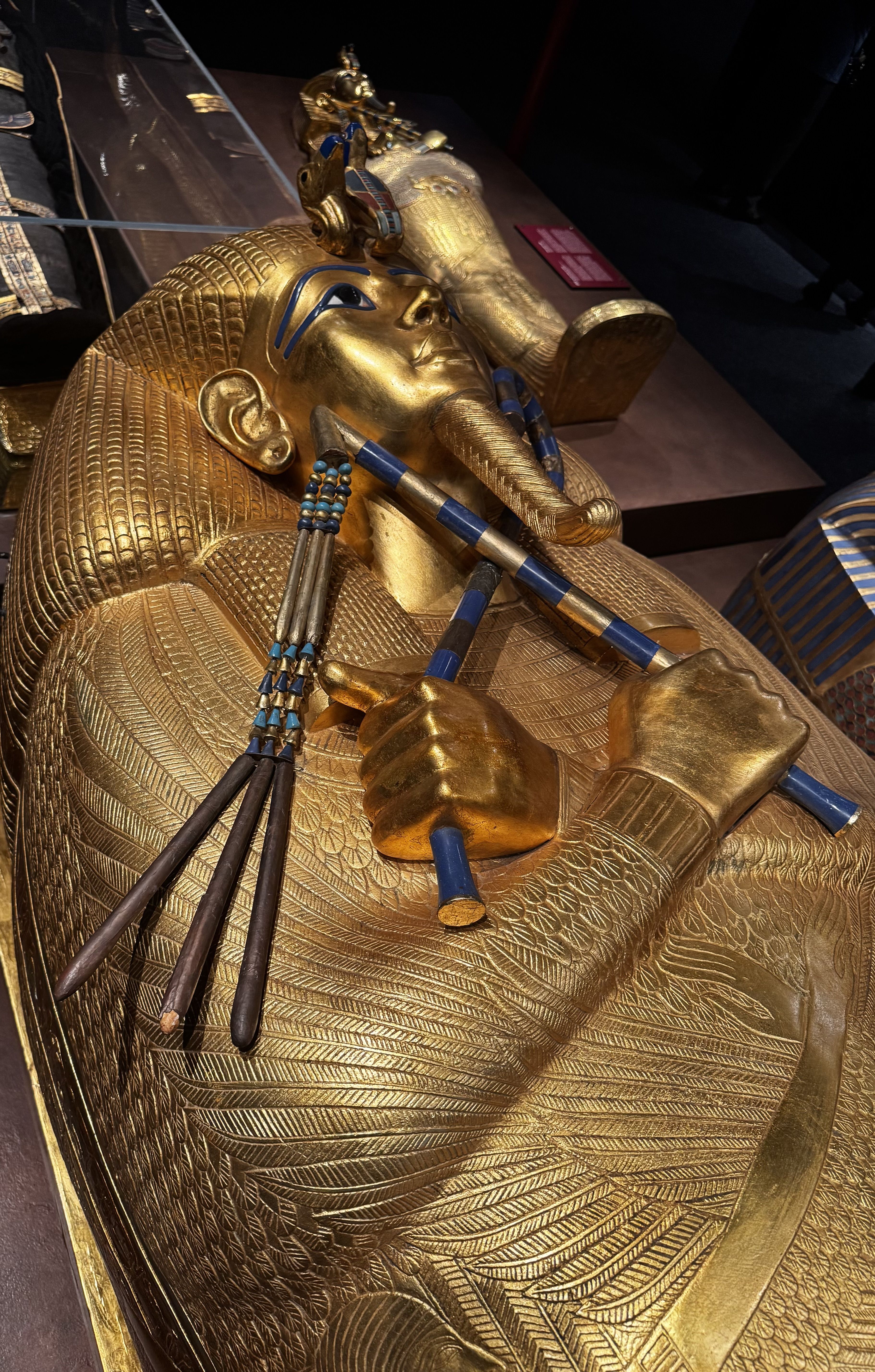
When Howard Carter peered through a hole in the plaster door, his patron Lord Carnarvon famously asked if he could see anything. Carter's reply became legend: "Yes, wonderful things." Despite its compact four-room floor plan (Antechamber, Annex, Burial Chamber, and Treasury), KV62 contained over 5,398 cataloged artifacts, including: The Solid Gold Death Mask: Crafted from over 10 kg (22 lbs) of beaten gold inlaid with lapis lazuli, turquoise, and carnelian. Layered Protection: Three nested coffins, four gilded wooden shrines, and an ornate quartzite sarcophagus. Everyday Gear for the Afterlife: Chariots, linen garments, board games (Senet), walking sticks, and jars of vintage wine. The majority of these masterpieces are now housed in Cairo at the Grand Egyptian Museum (GEM) and the National Museum of Egyptian Civilization (NMEC)
What You Can See Inside KV62 Today
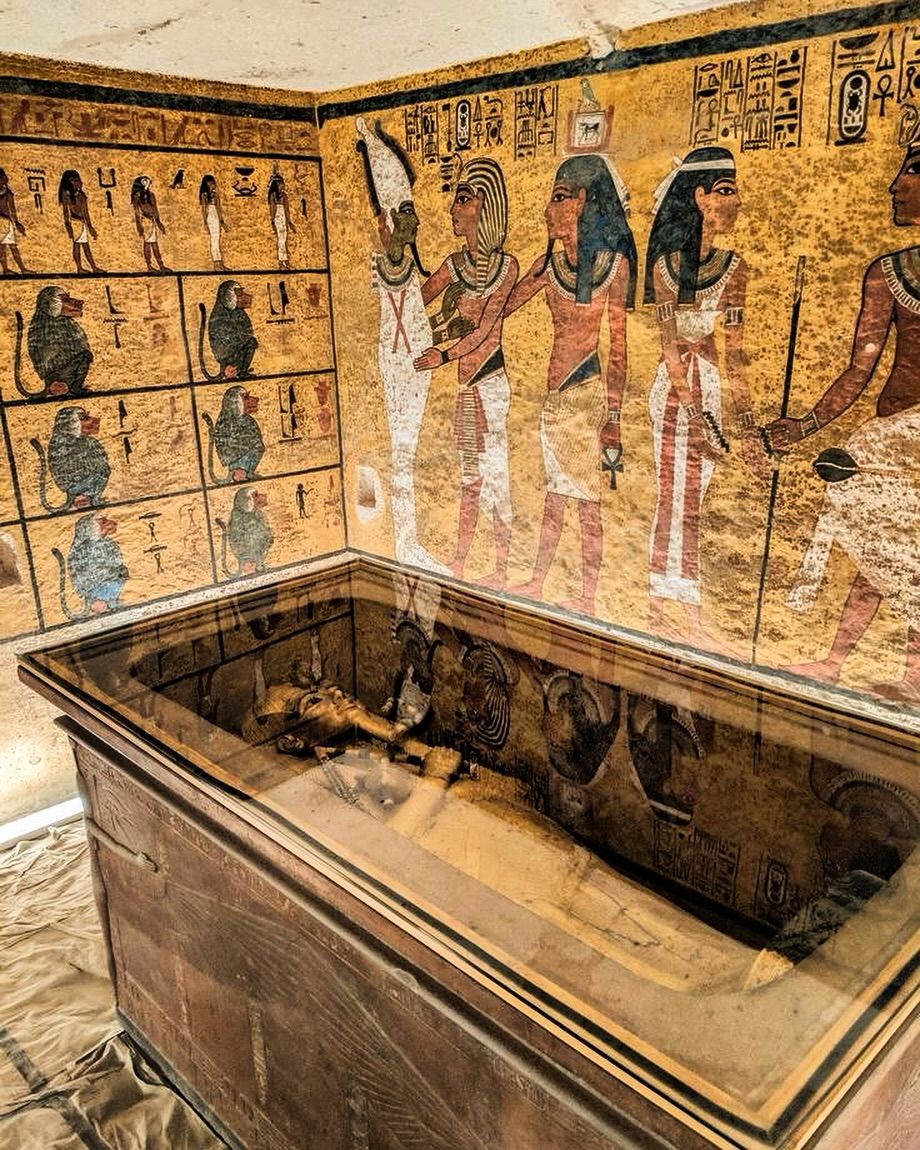
A visit to the Valley of the Kings offers something no museum display case can replicate: standing directly in the rock-cut chamber where the young pharaoh was placed over 3,300 years ago. The Original Burial Chamber: The burial room remains decorated with vivid yellow wall murals depicting Tutankhamun performing the "Opening of the Mouth" ceremony with his successor, Vizier Ay, alongside representations of the twelve baboons of the Amduat (Book of the Dead). The Quartzite Sarcophagus: The king's outer stone sarcophagus still rests in situ on the chamber floor. Tutankhamun’s Mummy: Tutankhamun remains in his tomb, resting in a climate-controlled glass case at the far end of the burial chamber
Final Thoughts
Essential Tips for Visiting the Valley of the Kings Detail What to Know Location West Bank, Luxor, Egypt Ticketing General admission covers three tombs; KV62 requires a separate supplementary ticket purchased at the visitor center. Best Time to Visit 6:00 AM – 8:00 AM to beat midday desert heat and tour bus crowds. Photography Smartphone photography is generally permitted inside, but always confirm local regulations at the entrance booth. Flash is strictly forbidden.
0 Comments
Be the first to share your thoughts on this article.
Leave a Comment